
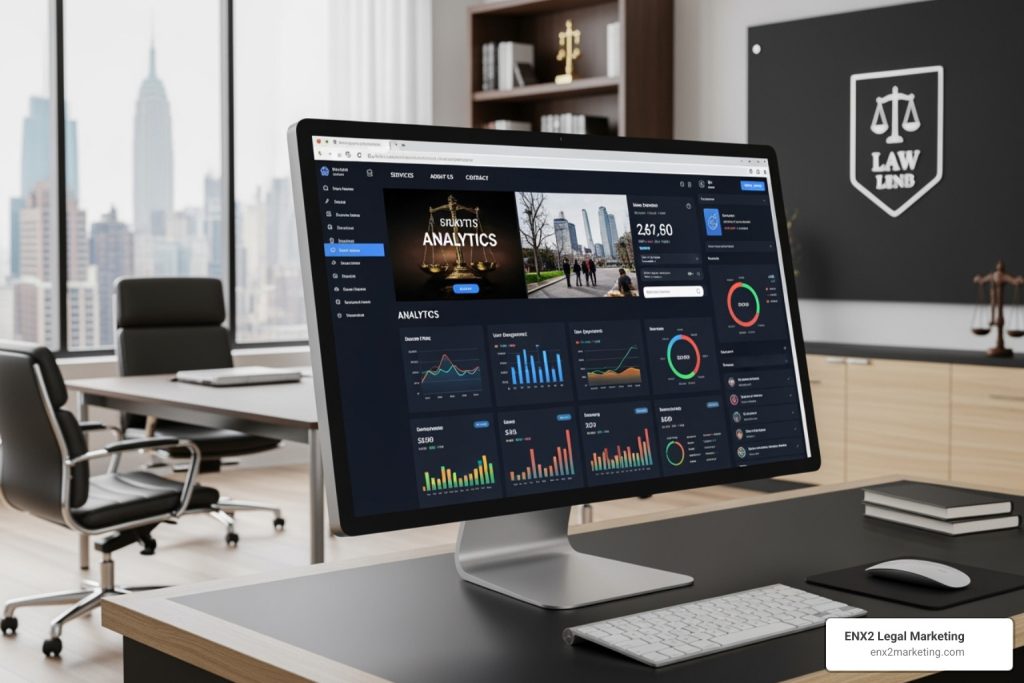
Many law firm websites look professional on the surface—but still fail to generate consistent, qualified inquiries. The issue is rarely effort. More often, it is structural weakness, unclear positioning, or overlooked performance issues that quietly reduce conversions.
If you are a law firm owner, your website should function as a strategic business asset—not just an online brochure. Below, we break down the most common law firm website mistakes, why they matter, and how they directly impact your firm’s growth.
1. Slow Website Performance Is Costing You Cases
Speed is not just technical—it is behavioral. When potential clients search for legal help, they are often in a moment of urgency. A delay of even a few seconds increases abandonment rates dramatically.
Beyond user experience, speed directly affects law firm SEO. Google prioritizes fast, optimized websites in search rankings. If your competitors load faster than you, they may outrank you—even if your content is stronger.
Law firm owners should regularly test their websites using PageSpeed Insights or Core Web Vitals reports. Large image files, bloated themes, excessive plugins, and low-quality hosting are common causes of slow performance.
Performance optimization is one of the highest ROI improvements you can make to your legal marketing strategy.
2. Your Mobile Experience Determines First Impressions
Over half of legal searches now happen on mobile devices. In many practice areas—personal injury, criminal defense, family law—that percentage is even higher.
If your attorney website design does not prioritize mobile usability, you are losing potential clients before they read your credentials.
Mobile optimization should include:
- Click-to-call buttons visible without scrolling
- Readable typography
- Fast-loading images
- Simple navigation structure
- Minimal friction in contact forms
A poor mobile experience signals disorganization. A strong mobile experience builds immediate credibility.

3. Unclear Practice Area Structure Weakens Authority
Many law firm websites attempt to summarize all services on one page. This approach limits both search visibility and client clarity.
Strong legal marketing requires dedicated practice area pages that:
- Explain the legal issue clearly
- Define who you represent
- Address common client concerns
- Showcase your experience
- Include strong internal linking structure
From an SEO perspective, each practice area should function as its own optimized asset. From a client perspective, it should answer: “Can this firm help someone in my situation?”
Clear structure strengthens both trust and rankings.
4. Weak Calls to Action Reduce Conversion Rates
Traffic alone does not generate cases—conversions do.
Many attorney websites provide information but fail to guide visitors toward the next step. Every page should reinforce action:
- Schedule a consultation
- Call now
- Request case evaluation
- Speak with an attorney
Calls to action should be visible, repeated strategically, and aligned with client intent. Subtle friction—hidden phone numbers, buried forms, unclear buttons—reduces inquiries.
Conversion optimization is a core pillar of effective legal marketing.
5. Generic Stock Photography Damages Credibility
Trust is the foundation of legal services. Overused stock imagery weakens authenticity and makes your firm appear interchangeable.
Professional photography of your attorneys, staff, and office environment significantly strengthens credibility. Prospective clients want to see the real people behind the firm.
Authenticity is a ranking factor in human psychology—even if not in Google’s algorithm.
6. Outdated Design Reflects Poorly on Professionalism
Website design standards evolve. A site built five or seven years ago may still function—but visually it may signal stagnation.
Modern attorney website design prioritizes:
- Clean layouts
- Strategic white space
- Clear content hierarchy
- Strong typography
- Conversion-driven structure
Law firm owners should evaluate whether their design aligns with current client expectations—not just whether it “still works.”
7. Neglected Content Signals Inactivity
Outdated attorney bios, expired announcements, and inactive blog sections suggest neglect—even if the firm is thriving.
Consistent updates improve:
- Search engine visibility
- Topical authority
- Client confidence
- Competitive positioning
Strategic content creation is not optional in modern law firm SEO. It is foundational.
8. Your Website Must Support Long-Term Growth
Many firms build websites without a long-term strategy. The result: disconnected pages, weak internal linking, and minimal search visibility.
A properly structured law firm website should function as:
- A client acquisition system
- An authority-building platform
- A content expansion framework
- A conversion engine
When law firm SEO, attorney website design, and legal marketing strategy align, your website becomes an asset that compounds in value over time.

Frequently Asked Questions
Why is law firm SEO critical for growth?
Law firm SEO ensures your firm appears when potential clients search for legal services. Without strong optimization, competitors capture that visibility.
How often should a law firm website be evaluated?
Performance, design, and content should be reviewed quarterly. SEO strategy should be ongoing.
Does attorney website design influence conversions?
Yes. Design affects trust, readability, and user behavior. Poor structure increases bounce rates and reduces inquiries.
Ready to Improve Your Law Firm Website?
If your website is underperforming or not generating consistent inquiries, a strategic audit may uncover opportunities for improvement. Even focused adjustments in structure, SEO, and conversion strategy can produce measurable growth.
Book a Consultation to discuss how your law firm website can be optimized for stronger visibility, higher conversions, and long-term competitive advantage.