
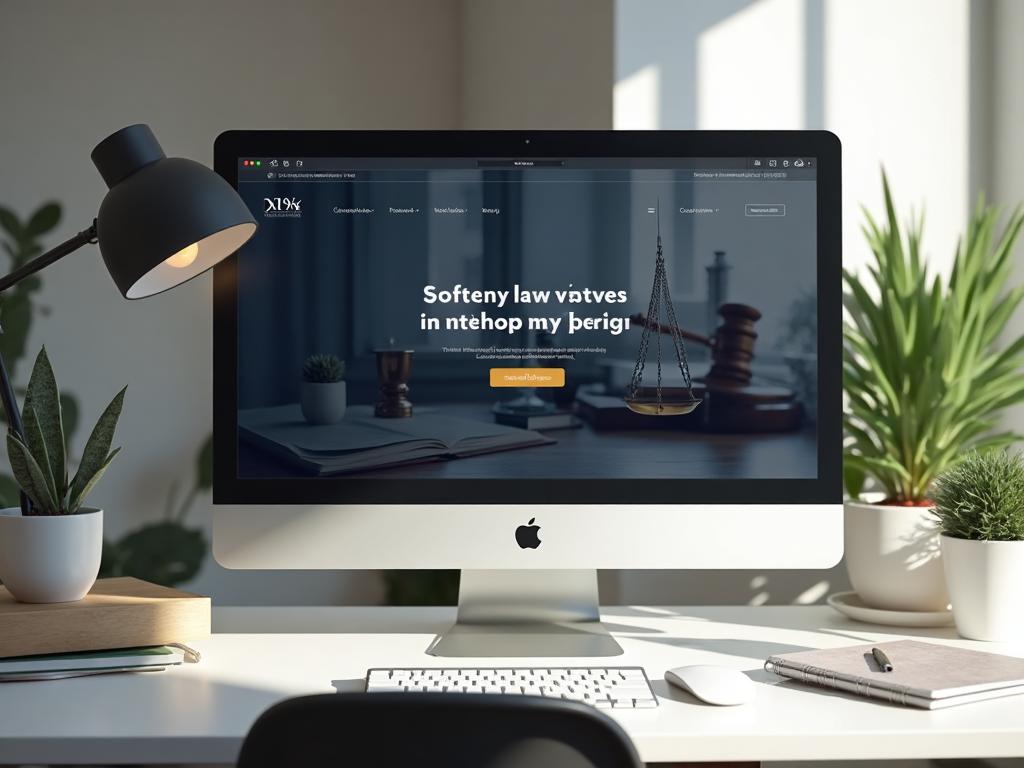
Legal services remain relationship-based, but how those relationships begin has changed fundamentally. Today, most potential clients research attorneys online before making contact. Your website often shapes their perception of your firm long before you ever speak with them.
A professional website is no longer just a marketing asset—it is a core part of how modern law firms establish trust, communicate credibility, and convert interest into consultations. Below are the key reasons professional website design matters more than ever for law firms.
First Impressions Are Digital
Research consistently shows that visitors form opinions about a website within seconds. An outdated, cluttered, or unprofessional site can suggest an outdated or careless practice—whether that perception is fair or not.
In contrast, a polished and modern website signals competence, organization, and attention to detail. It reassures visitors that your firm is credible, current, and serious about serving clients professionally.
Clients Expect Digital Professionalism
Today’s legal clients expect professional businesses to have professional websites. This expectation applies across all demographics and practice areas, from personal injury to corporate law.
A weak or outdated online presence can raise doubts about your firm’s reliability. Because your competitors likely maintain professional websites, meeting this baseline expectation is essential to remain competitive.

Websites Work Around the Clock
Unlike your physical office, your website never closes. It provides information, answers common questions, and introduces your firm to potential clients at any hour of the day.
A well-designed website with clear calls to action can capture leads and consultation requests automatically. This constant availability allows your firm to generate new opportunities without placing additional demands on your staff.
Credibility Through Content
Your website gives you the opportunity to demonstrate expertise before clients ever reach out. Attorney biographies, detailed practice area pages, and educational content all contribute to building credibility and trust.
This content also supports search engine optimization, helping potential clients discover your firm when they search online for legal help in your practice areas or location.

Control Your Narrative
Your website is the one place online where you have complete control over your message. Unlike social media platforms or third-party directories, you decide exactly what visitors see, read, and understand about your firm.
Use this control strategically. Highlight your firm’s strengths, values, experience, and approach in a way that attracts the types of clients you want to work with.
Return on Investment
A professional website delivers measurable returns. You can track leads, consultations, and new clients that originate directly from your website, making its value easy to assess.
When compared to other client acquisition methods, a high-quality website often pays for itself many times over. Few marketing investments offer the same long-term impact and efficiency.

A Professional Website Needs a Clear Content Purpose
A law firm website should do more than look professional—it should clearly communicate expertise, guide visitors, and support long-term visibility. Without a structured content strategy, even well-designed websites fail to build trust or drive meaningful engagement.
At Legal Authority Online, we help law firms align content with strategy so their websites support authority, clarity, and sustainable growth.
Conclusion
A professional website is no longer optional for law firms. It is foundational infrastructure for a modern legal practice and a critical component of your firm’s reputation and growth strategy.
If your current website is not meeting these standards, it may be time to invest in a website redesign focused on performance, credibility, and conversion. The long-term benefits justify the investment.